Notice to Public Debtor Trustee(s)
§2000bb–1. Free exercise of religion protected
(a) In general
Government shall not substantially burden a person's exercise of religion even if the burden results from a rule of general applicability, except as provided in subsection (b)..
Government may substantially burden a person's exercise of religion only if it demonstrates that application of the burden to the person—
(1) is in furtherance of a compelling governmental interest; and
(2) is the least restrictive means of furthering that compelling governmental interest.
Judicial relief - Section (c)
A person whose religious exercise has been burdened in violation of this section may assert that violation as a claim or defense in a judicial proceeding and obtain appropriate relief against a government. Standing to assert a claim or defense under this section shall be governed by the general rules of standing under article III of the Constitution.


Article 1 section 10 clause 1 private Contracts
No State shall pass any laws impairing the obligations of contracts The foundational principal and Sui Juris -jurisdictional privacy indentured into this irrevocable ecclesiastical 508c1a Trust,
Legal Notice
Dejure Notice - UCC-1-308
All rights Reserved
The AAMB Society’s Religious Affidavits and Trust declarations on Religious Stewardship, Heir assignee(s). executorship and Indigenous religious autonomous freedom on land, life, pursuit of happiness and security of privacy Contracting are indentured in our orders Religious indigenous policys and membership
This Notice:
Shall APA guide any Judicial Debor Corporation or administrative PUBLIC Bankruptcy HJR 192 1933: Presumptions or UCC Tax claims at lTitle 26 USC IRC,law. and Recipient, Payor IRS proof of claim: 1099 OID.
To: (All) PUBLIC - Trustee(s) , Tax Agents , Recipients, Parntnerships, debtors,
42 USC Ch. 21B: RELIGIOUS FREEDOM RESTORATION
Revist The Compelling interest Test on the burdening of religious affairs, with out a complelling interest
Reaffirming that indigenous peoples, in the exercise of their rights, should be free from discrimination of any kind,
Resolution
adopted by the General Assembly on 13 September 2007
[without reference to a Main Committee
(A/61/L.67 and Add.1)]
61/295. United Nations Declaration on the Rights of
Indigenous Peoples

Name of company
United Nations Indigenous People's Organizational Number (I.P.O.) #2421 and member of the national society of (U.M.A.A.R. Unified [United] Mu’urish AmErikan (Amarukan) Ab-Original Republic(k) U.N. NGO (United Nations Non-Governmental Organization) #37801.
Affidavit of Religious Freedom And Autonomous Identification
Article 18
Indigenous peoples have the right to participate in decision-making in matters which would affect their rights, through representatives chosen by themselves in accordance with their own procedures, as well as to maintain and develop their own indigenous decision-making institutions.
See Compelling interest & Consent Agreements, Contracts
Article 19 - [ Warning ]
States shall consult and cooperate in good faith with the indigenous peoples concerned through their own representative institutions in order to obtain their free, prior and informed consent before adopting and implementing legislative or administrative measures that may affect them.
Attention: Public Trustees
Article 25 Indigenous peoples have the right to maintain and strengthen their distinctive spiritual relationship with their traditionally owned or otherwise occupied and used lands, territories, waters and coastal seas and other resources and to uphold their responsibilities to future generations in this regard.
Jurisdiction
This Public Notice is Constructed by the AAMB Society's Private Autonomous Religious freedom afforded by Birthright Trust, self-determination, and Born-again Indigenous Religious Conversion and AAMB Society membership
42 USC Ch. 21B: RELIGIOUS FREEDOM RESTORATION
(b) Purposes
The purposes of this chapter are—
(1) to restore the compelling interest test as set forth in Sherbert v. Verner, 374 U.S. 398 (1963) and Wisconsin v. Yoder, 406 U.S. 205 (1972) and to guarantee its application in all cases where free exercise of religion is substantially burdened; and
(2) to provide a claim or defense to persons whose religious exercise is substantially burdened by government.
Article 33 (UNDRIP)
1. Indigenous peoples have the right to determine their own identity or membership in accordance with their customs and traditions. This does not impair the right of indigenous individuals to obtain citizenship of the States in which they live.
2. Indigenous peoples have the right to determine the structures and to select the membership of their institutions in accordance with their own procedures.

The Principal Sachem - Executor
The word 'Sekhem' (Sachem) is also the title origin of the paramount 'Chief' among the Algonquians called 'Sachem.' Other Northeastern American tribes, such as, the Le'Nape used the Arabic derived word 'Sakima', the Narragansett used the word 'Sachim' and the Eastern Abenaki (Abnaki) used the word 'Sakema,'which was anglicized as 'Saga-More' (Moor / Mu'ur).
I. Chiefs are leaders, NOT rulers. In fact, very similar to a usA governor. They are the instruments for executing the people will. ALL moneys, gifts, and other forms of donations to Chief still belong to the people for relief or aid to individuals in time of need. Laws and decrees are issued in the same manner to assure that the voice of the Chief is the “voice of the people.” The people and the government are one and the same. Chiefs therefore, are under the law and NOT above it.
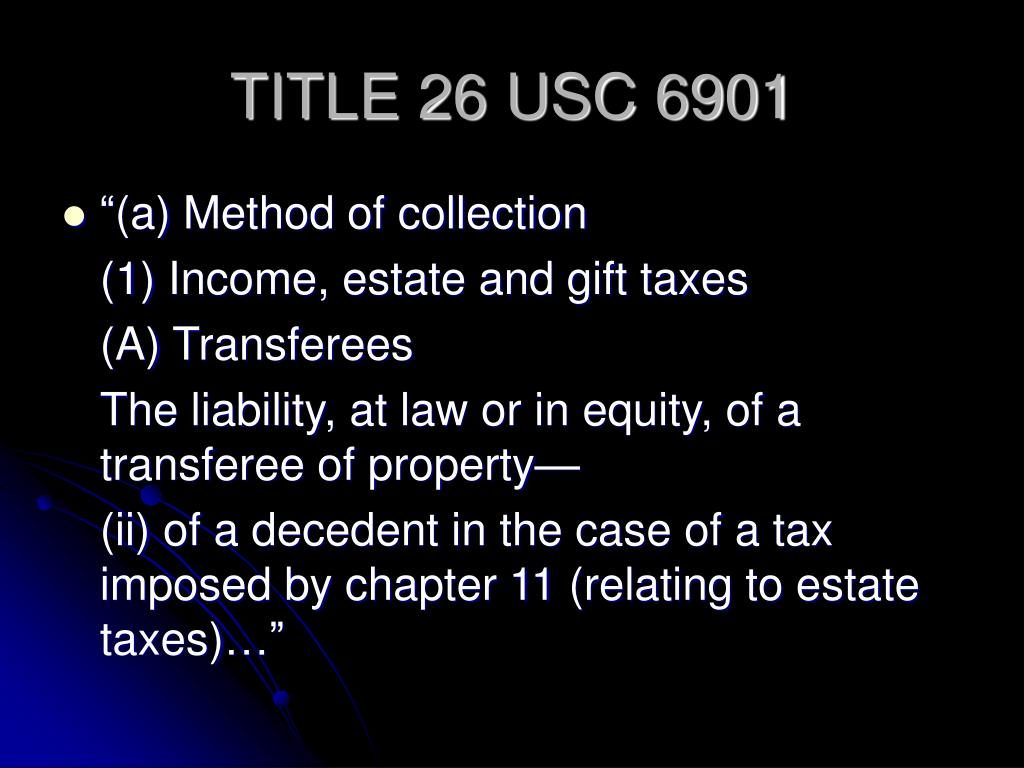
§2203. Definition of executor
The term ‘‘executor’’ wherever it is used in this title in connection with the estate tax imposed by this chapter means the executor or administrator of the decedent, or, if there is no ex
ecutor or administrator appointed, qualified, and acting within the United States, then any person in actual or constructive possession of any property of the decedent.